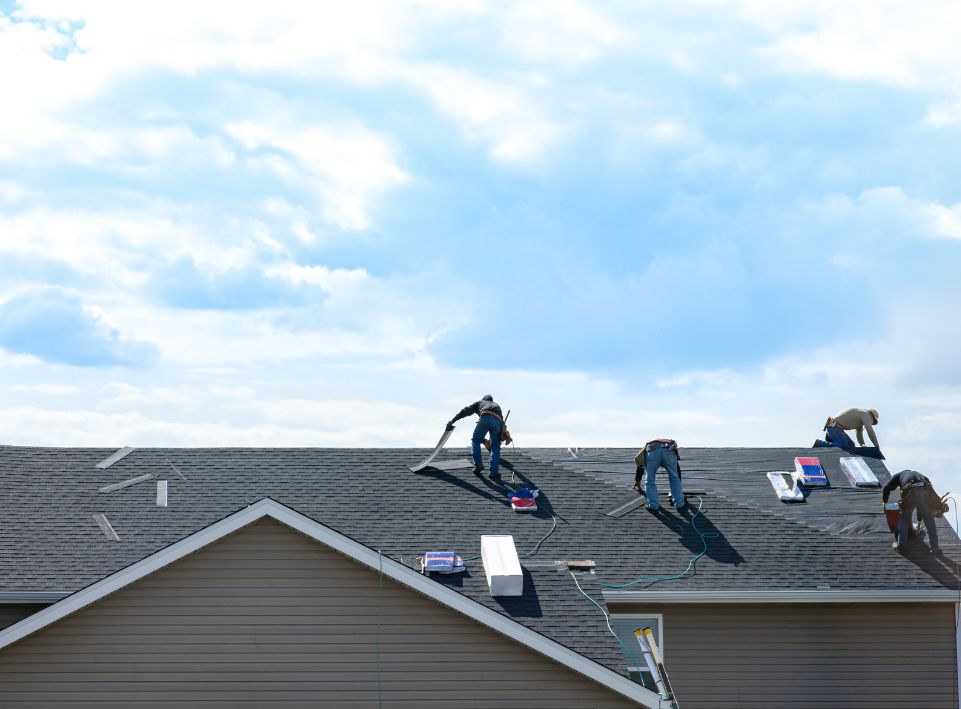
A homeowner can safely do a lot from the ground: walk the perimeter, look for missing or lifted shingles, check gutters for granules, scan the attic for stains or daylight, and note ceiling spots inside. Anything that requires climbing onto the roof, walking a slope, opening flashing, or evaluating decking belongs to a professional with the right equipment and experience.
Regular looking pays off. Most expensive Charleston roofing problems start small, then run quietly through decking and insulation for months. Catching a lifted shingle in September is a roof repair. Finding the same spot in February as a stained ceiling is a bigger project.
The line between what you should check and what you should hand off is mostly about safety and about what can actually be seen without getting on the roof. Both are covered below, along with the timing that fits the Charleston-area storm season.
What You Can Safely Check Yourself
None of this requires leaving the ground or the attic floor. Twenty minutes a couple of times a year is enough.
From the ground
Use binoculars if you have them, and look for:
- Missing, cracked, curled, or lifted shingles on every slope
- Shingles that look darker or bare where granules have worn off
- Sagging or wavy rooflines
- Rusted, bent, or separated flashing at chimneys and walls
- Loose or damaged ridge caps
- Debris piled in valleys or behind chimneys
- Overhanging limbs touching or rubbing the roof
At the gutters and downspouts
Look for:
- Granules collecting like coarse sand
- Standing water, sagging sections, or pulled-away brackets
- Water staining on fascia or soffit
Inside the attic
Stay at the access opening or on a safe walkway. Look for:
- Daylight through the decking
- Dark streaks or stains on rafters and sheathing
- Damp or matted insulation
- A musty smell, which usually means moisture with nowhere to go
Inside the house
Watch for:
- Ceiling or upper-wall stains, especially near chimneys and bathroom vents
- Peeling paint on upstairs ceilings
- Bubbling drywall after heavy rain
Photograph anything that looks off and date the photos. A record of when something appeared is genuinely useful later.
What to Leave to a Professional
Some checks look simple and are not. These are the ones to hand off:
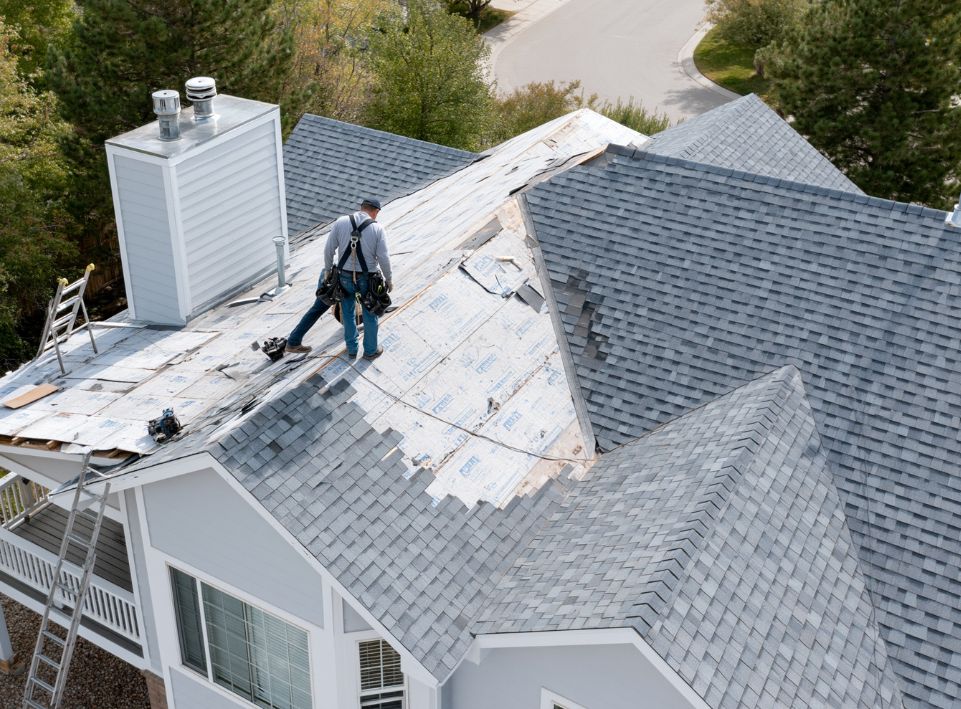
- Walking the roof. Slope, heat-softened shingles, algae, and soft decking make Lowcountry roofs unpredictable underfoot. Falls from roofs cause serious injuries every year.
- Pressure washing or scrubbing. High-pressure strips granules and voids warranties. Cleaning needs the right method and product.
- Reworking flashing or sealant. Caulk over a flashing problem hides it for a season and makes the eventual repair larger.
- Evaluating decking. Judging whether sheathing is sound requires walking the field and often lifting material.
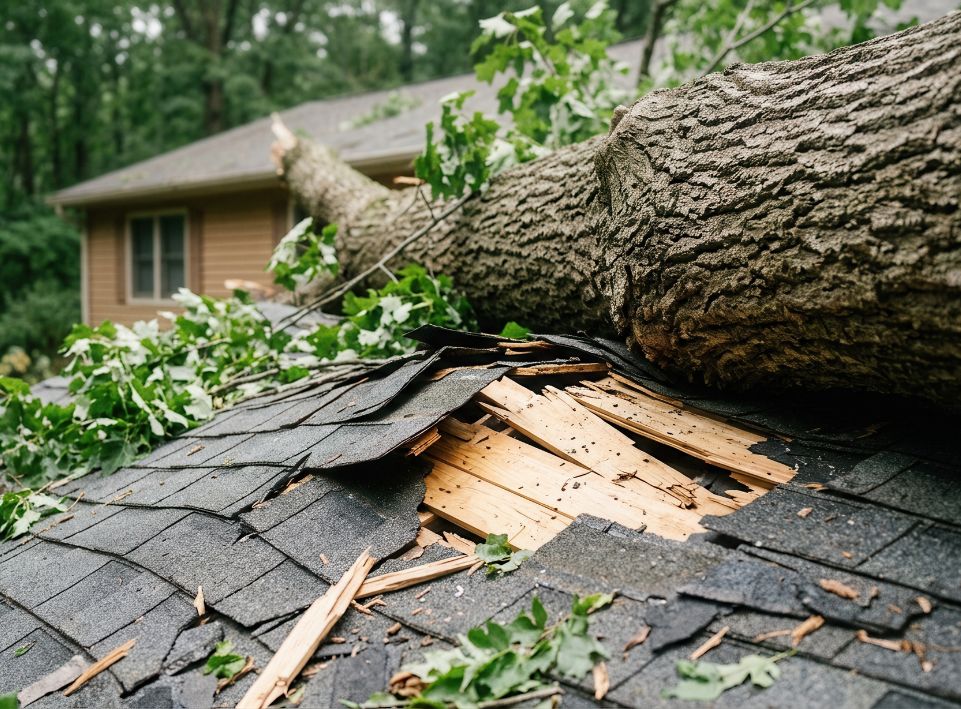
- Post-storm assessment. Creased shingles, broken seals, and hail bruising are hard to identify and easy to miss without training.
- Anything involving insurance documentation. Photos and reports need to be complete and accurate to hold up under review.
Pioneer Roofing brings more than 20 years of Lowcountry experience to those inspections, along with CertainTeed SELECT ShingleMaster and Master Shingle Applicator credentials, Silver Star Contractor status, and National Association of Roofing Contractors membership.
What a Professional Inspection Actually Covers
A real inspection is more than a look at the shingles. Expect a roofer to review:
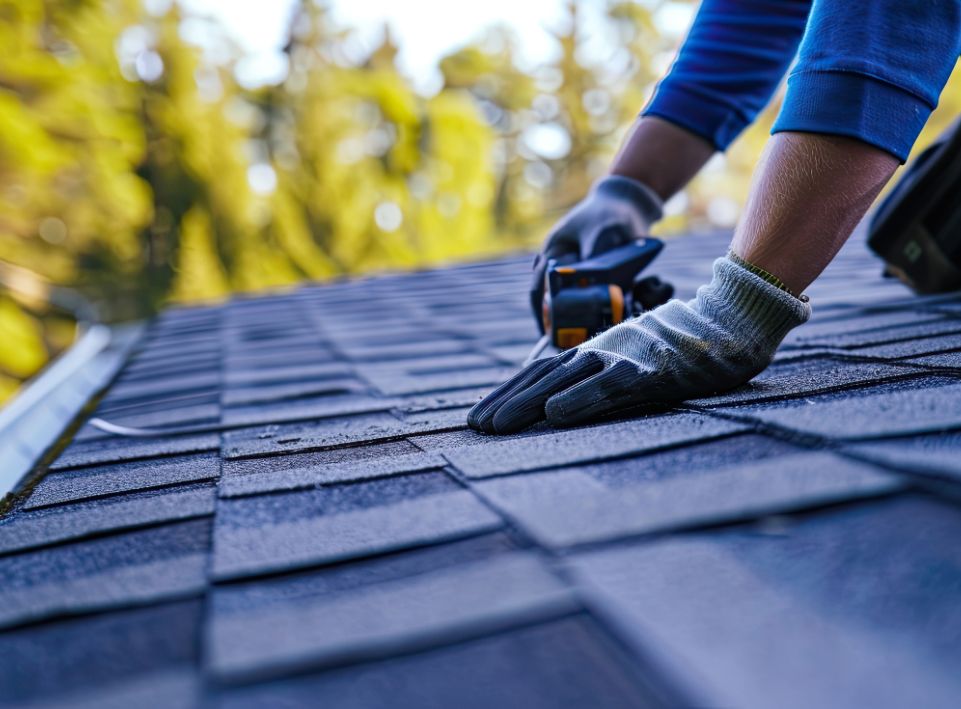
- Field condition across every slope, including seal integrity and granule wear
- Flashing at walls, chimneys, skylights, and roof-to-roof transitions
- Pipe boots, vents, and other penetrations, which often fail before shingles do
- Valleys and drainage paths
- Gutters, drip edge, fascia, and soffit
- Attic ventilation balance and any signs of moisture
- Decking condition where it can be assessed
You should get photos, a plain description of what was found, and a clear recommendation: monitor, repair, or replace. If a report gives you a price without showing you the problem, ask for the photos.
Timing That Fits the Lowcountry
Two scheduled checks a year handle most of it.
- Late spring, before storm season. Confirm the roof is sound, clear debris, trim limbs, and repair small issues before the weather arrives.
- Late fall, after storm season. Look for cumulative wind and rain damage and get repairs done before winter rain finds them.
- After any significant event. Strong wind, hail, or a limb strike is reason for a look, even when nothing appears wrong from the driveway.
Homes in Mount Pleasant, Sullivan’s Island, Isle of Palms, and other coastal areas take more salt and wind exposure and often benefit from an extra inspection each year.
Frequently Asked Questions
Generally, no. The risk of a fall outweighs anything you would learn, and most roof problems that matter are hard to identify without training. Ground-level and attic checks give you plenty to work with.
Once a year is reasonable for most Lowcountry homes, plus after any major storm. Older roofs and heavily exposed coastal properties do better with two.
Failed flashing, worn pipe boots, broken shingle seals after wind, and blocked ventilation. All four are quiet, and all four can cause leaks.
Not with a pressure washer. High pressure removes granules and shortens the roof’s life. Ask a roofer about appropriate cleaning methods.
Photograph it, note the date and location, and schedule an inspection. Active water inside the attic is a reason to call promptly rather than wait for the next rain.
Have a Professional Confirm What You Found
If a ground-level check turned up something you are unsure about, get eyes on it before it becomes an interior repair. Contact us at (843) 810-9811 or request a free estimate for an inspection with photos and a straight recommendation.