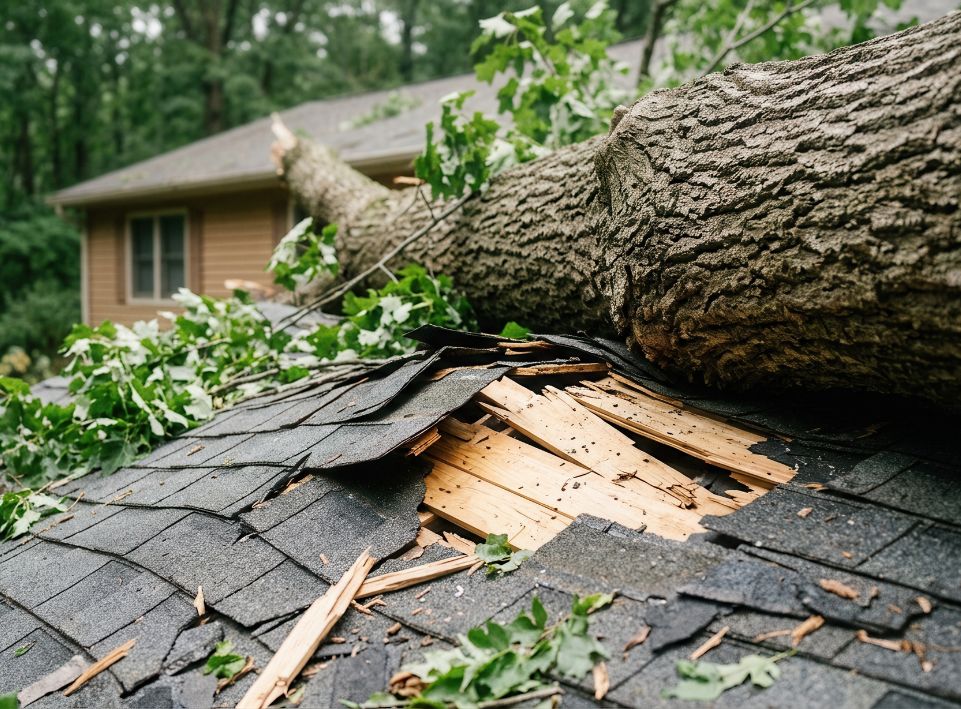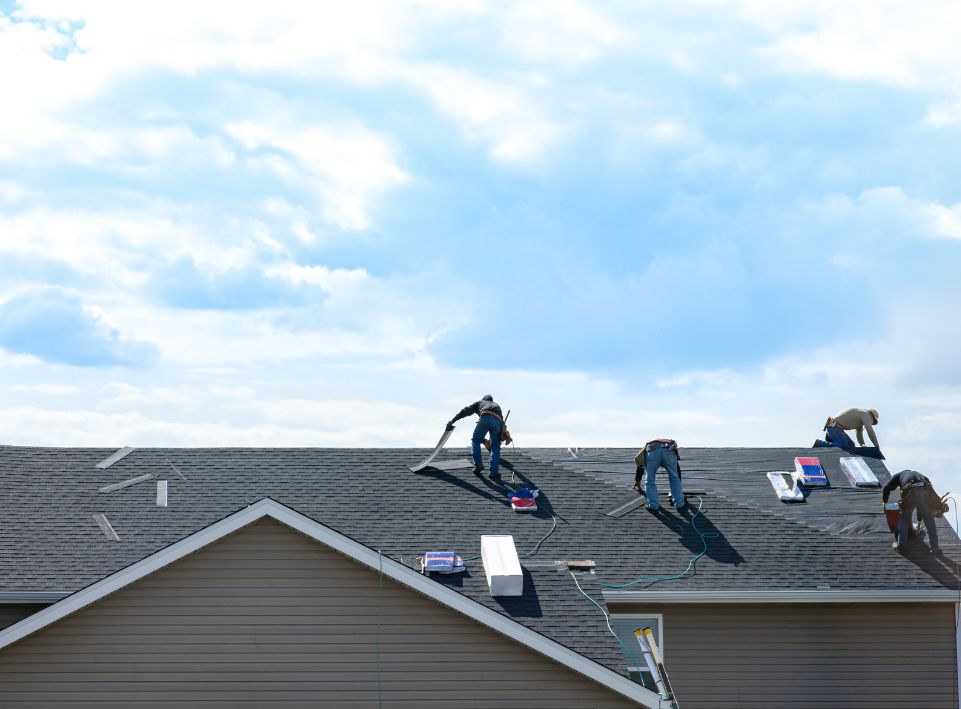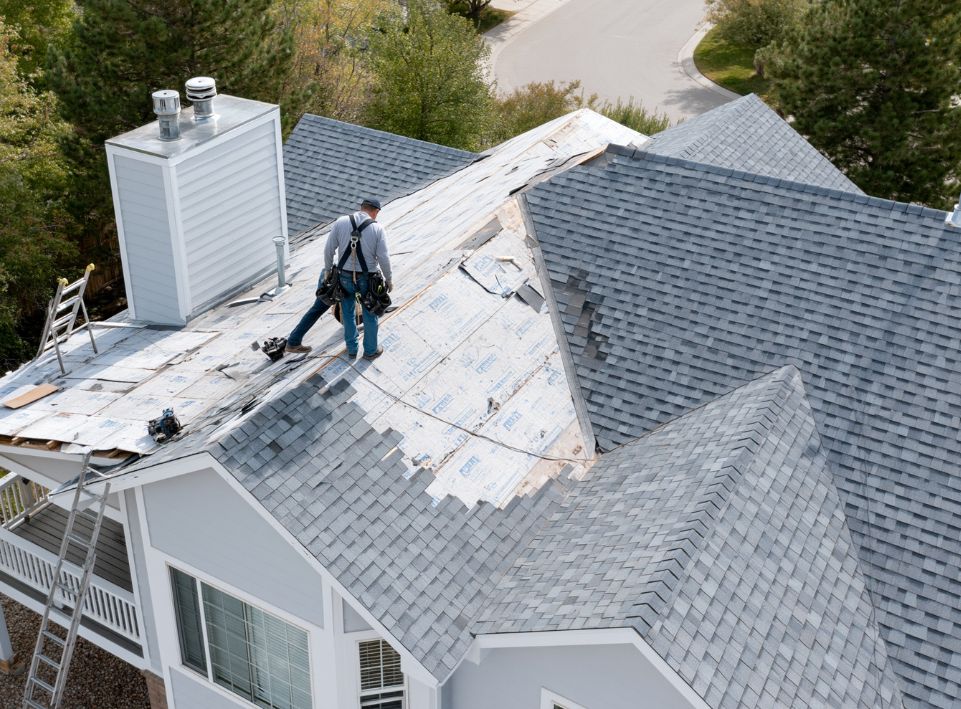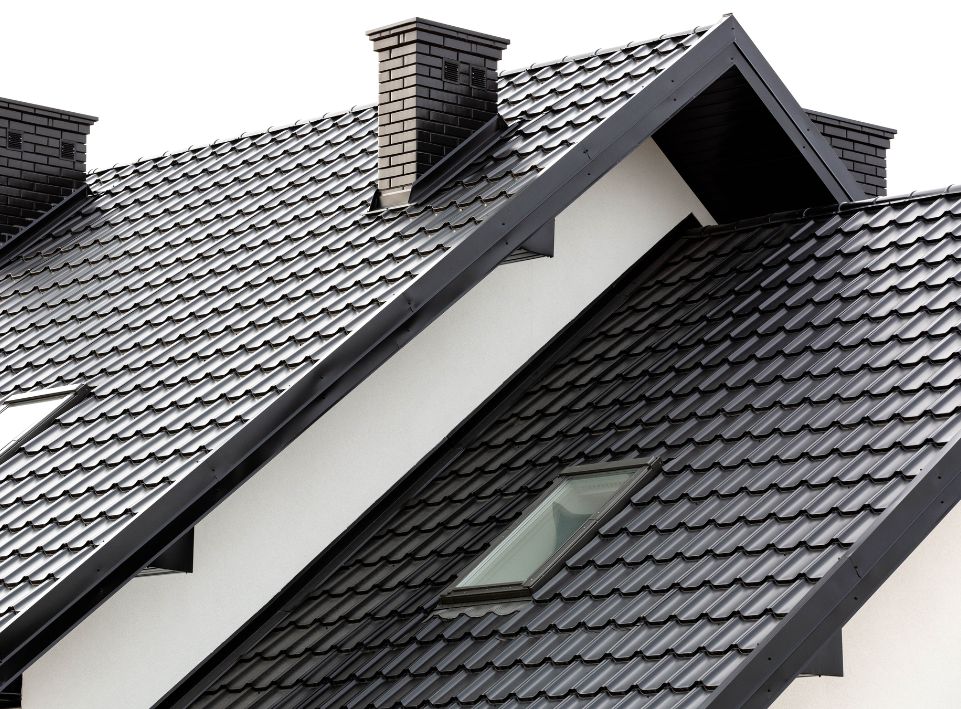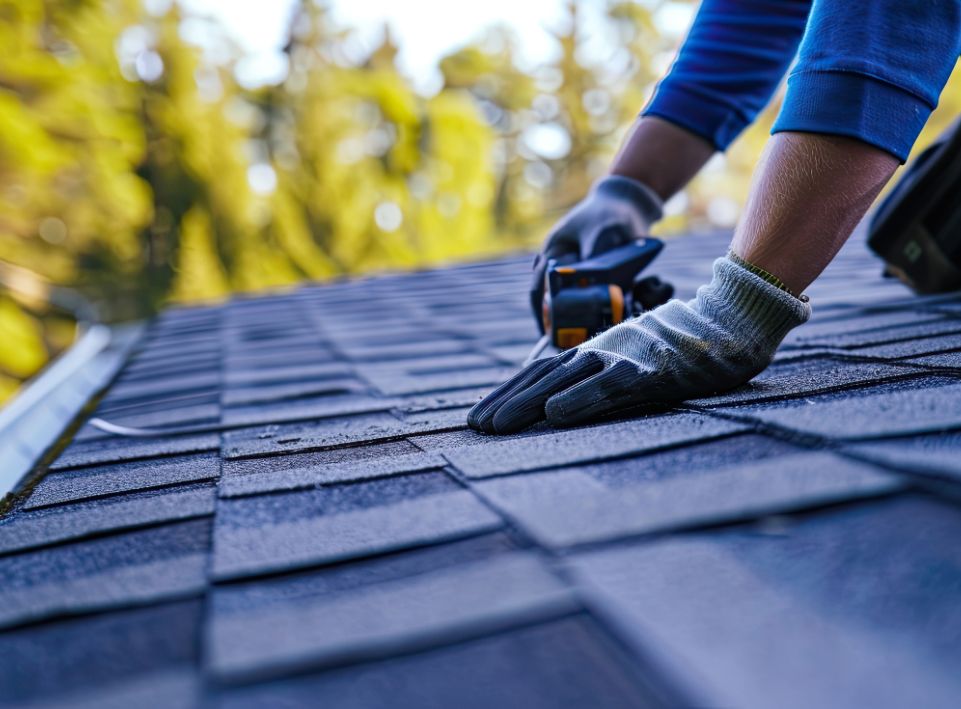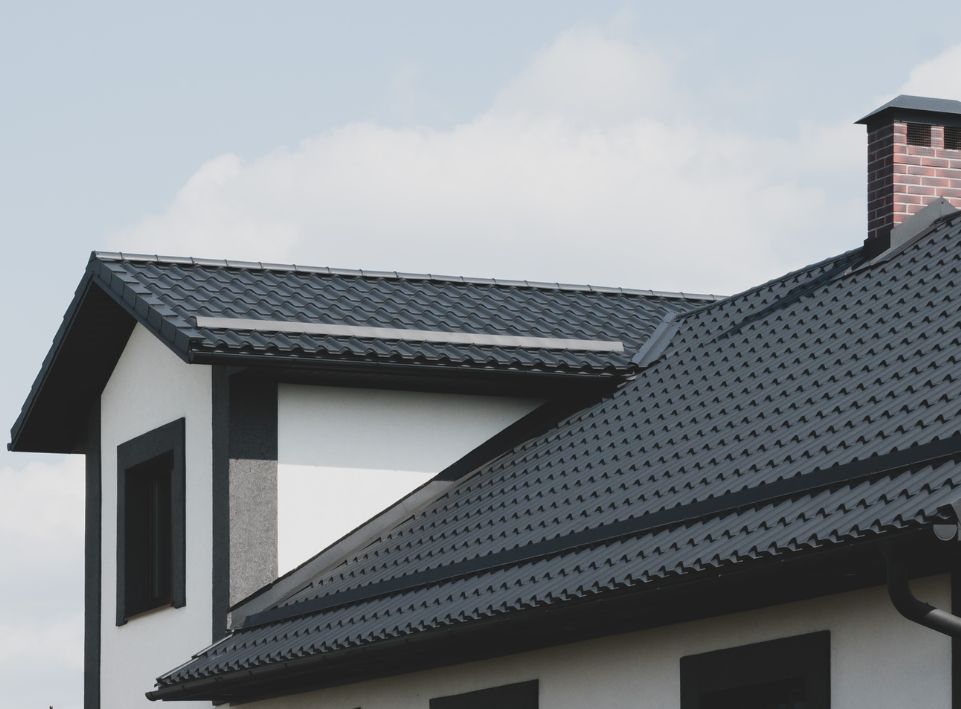
For most Lowcountry homes, the roof that adds the most value is a well-installed architectural asphalt shingle roof in a color that suits the house or a standing seam metal roof where the budget and architecture support it. Metal buys the longest service life, often 50 years or more, while quality shingles deliver the strongest balance of appearance, cost, and buyer familiarity. Installation quality affects value more than the brand on the bundle.
Value works two ways on a roof. There’s the number an appraiser or buyer puts on a house with a newer roof, and there’s the value you get from not thinking about your roof for two decades. Both come from the same place: the right material for the structure, installed correctly, in a color that fits the neighborhood.
What follows is a practical look at materials that perform in Charleston-area conditions, how color choices affect curb appeal and resale, and the style details that make a roof look intentional instead of replaced.
Materials That Perform in Charleston-Area Conditions
Salt air, humidity, summer heat, and wind put real stress on roofing. Three material families cover nearly every home from Isle of Palms to Summerville.
- Asphalt shingle. The default for good reason. Architectural shingles give dimension and shadow lines that flat three-tab products cannot, come in a wide color range, and are understood by every buyer and inspector. On qualifying CertainTeed shingle installations, the 5-STAR warranty covers 50 years on materials and 25 years on workmanship.
- Metal. Metal roofing can last 50 years or more and carries a Class A fire rating. Standing seam profiles hide their fasteners and read as clean, modern, and low-maintenance. Exposed-fastener profiles, such as 5V crimp, carry a traditional Lowcountry look that fits cottages, porches, and coastal homes well. Metal costs more up front and usually rewards owners who plan to stay.
- Synthetic. Synthetic roofing mimics slate or cedar shake at a fraction of the weight, which matters on homes that were never framed for a heavy roof. It suits historically styled houses where appearance drives the decision.
How Color Affects Curb Appeal and Resale
Color is the part homeowners agonize over, and the part buyers notice first. A few principles hold up well here:
- Work from the fixed elements. Brick, stone, siding color, and window trim are not changing. Choose a roof color that sits comfortably with them rather than competing.
- Mid-to-dark neutrals are the safe center. Weathered wood, driftwood, charcoal, and slate tones flatter most Lowcountry exteriors and rarely date themselves.
- Warm grays and browns suit warm siding. Tan, cream, and beige homes usually look better under a warm-toned shingle than a cool blue-gray one.
- Metal reads differently. Galvalume, matte black, and deep bronze standing seam make a strong architectural statement. Lighter metal finishes feel more coastal and traditional.
- Check the neighborhood and the HOA. A roof that ignores everything around it can work against resale, and many Lowcountry communities have approved color lists.
Look at full-size samples outdoors, on the roof slope, at different times of day. Color under showroom light is not color under Charleston sun.
Style and Detail Choices That Make a Roof Look Finished
The material and color get chosen, then the details decide whether the roof looks considered or generic.
- Ridge and hip treatment. High-profile ridge caps give the roofline a defined edge. It is a small cost with an outsized visual effect.
- Drip edge and fascia color. Matching or intentionally contrasting metal at the edges cleans up sightlines.
- Valley construction. Open metal valleys and closed-cut valleys look different and perform differently. Ask which one your roof calls for.
- Vent placement. Ridge vents disappear. Rows of mismatched can vents across a front slope do not.
- Flashing at walls and chimneys. Properly formed, properly colored flashing is the difference between a professional roof and a patched one.
- Ventilation balance. Intake at the soffit and exhaust at the ridge protects shingles from cooking off from below and helps control attic moisture in a humid climate.
What Actually Protects Value Over Time
Buyers pay for roofs they do not have to worry about. That comes down to three things.
The first is documentation. A dated invoice, the material specifications, permit records, and warranty registration answer an inspector’s questions immediately.
The second is workmanship. Underlayment, nailing pattern, flashing, and ventilation determine whether a roof reaches its rated life. Pioneer Roofing holds CertainTeed SELECT ShingleMaster and Master Shingle Applicator credentials, is a Silver Star Contractor, and is a member of the National Association of Roofing Contractors, with more than 20 years of work on Lowcountry roofs behind those details.
The third is maintenance. Clearing debris, keeping gutters flowing, and having small issues repaired early keeps a roof out of the pile of deferred maintenance a buyer will price against you.
Frequently Asked Questions
It can, especially on homes where the style supports it and the owner plans to stay long enough to benefit from a 50-plus-year service life. On many Charleston-area homes, a quality architectural shingle roof returns more relative to its cost.
Color affects surface temperature, but attic ventilation and insulation do far more for comfort. Choose the color that fits the house and make sure the ventilation is right.
Service life depends on the product, the installation, ventilation, and maintenance. Qualifying CertainTeed shingle installations can carry the 5-STAR warranty at 50 years on materials and 25 years on workmanship.
If the roof is visibly worn or has known issues, replacing it usually removes the largest negotiating point on the table. If it is sound, a recent inspection report and repair records often do the job.
Yes. It is common in the Lowcountry to use metal over porches, bay windows, or dormers with shingles on the main roof field.
Talk Through Your Options Before You Choose
Every house answers this question a little differently, based on its framing, its style, and how long you plan to stay. Call or text Pioneer Roofing at 843-810-9811, or request a free estimate, and someone will walk the roof with you and lay out real material, color, and detail options for your home.