Storms in South Carolina can do more than knock down limbs and scatter debris. Wind, hail, heavy rain, and flying branches can leave your roof vulnerable in ways that aren’t always obvious from the ground. If the damage is severe enough, a roof replacement may be the safer and more cost-effective option than another temporary repair.
At Pioneer Roofing, we’ve spent more than 20 years helping homeowners across the Greater Charleston area identify storm damage, stop leaks, and determine whether a roof can be repaired or if it’s time for a full replacement.
If your home has been through a recent storm, here is how to tell when your roof may need more than a quick fix.
Start With the Most Visible Signs
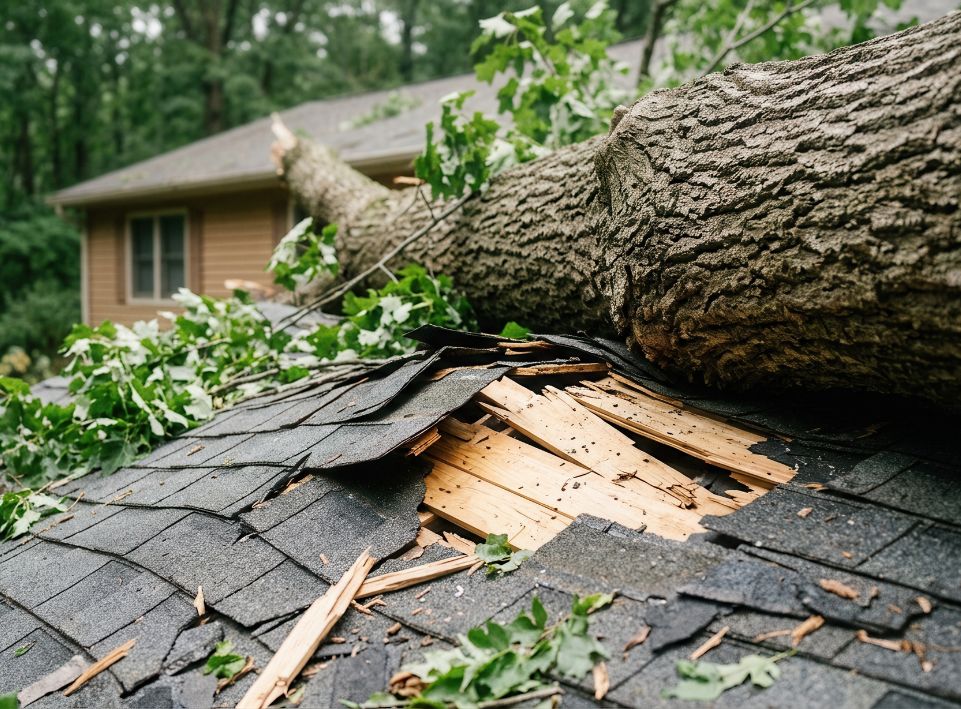
Some storm damage is easy to spot right away. If you notice any of the following after severe weather, your roof should be inspected as soon as possible:
- Missing shingles
- Lifted or creased shingles
- Exposed underlayment
- Fallen tree limbs or impact marks
- Loose flashing around chimneys, vents, or valleys
- Gutters filled with granules
- Water stains on ceilings or walls
These are all warning signs that your roofing system may have been compromised. Even if the damage looks limited to one area, storms often affect more of the roof than homeowners realize.
Check for Shingle Damage From Wind and Hail
South Carolina storms commonly bring strong winds and hail, both of which can shorten the life of a roof. Wind can loosen shingles, break the seal that holds them in place, or tear them off completely. Hail can bruise shingles, knock off protective granules, and weaken the roof surface.
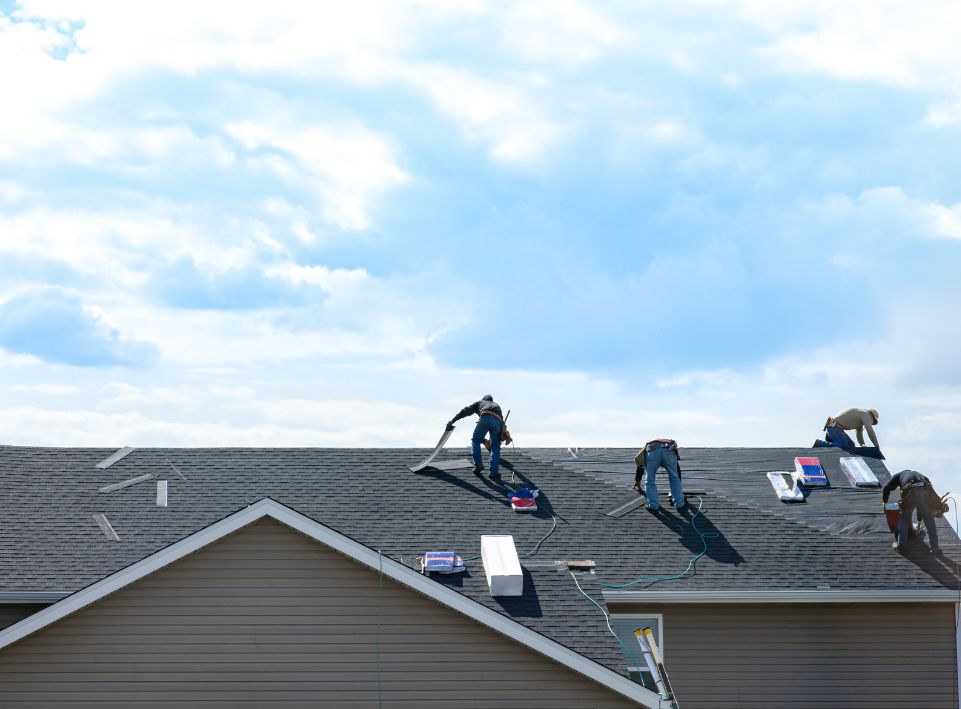
A few damaged shingles may be repairable. But if the storm has affected large sections of the roof — or if the damage has reduced the roof’s ability to protect against future weather — a replacement may be the better long-term choice.
Look Inside Your Home, Too
One of the clearest signs of storm-related roof trouble shows up indoors. Check your attic and ceilings for the following:
- Damp insulation
- Water spots
- Peeling paint
- Musty odors
- Active drips after rain
When storm damage allows water to get beneath the roofing materials, the problem can spread fast. What starts as a small opening can turn into rot, mold, or structural damage if it isn’t addressed quickly.
Age Matters After a Storm
Storm damage does not affect every roof the same way. An older roof is far more likely to need replacement after a major weather event than a newer one. If your roof was already nearing the end of its expected lifespan, a storm may push it past the point where repairs make sense.
This is especially true if your roof has already been repaired multiple times. In many cases, patching an aging roof after a storm only delays a larger problem and leads to more expense later.
Watch for Damage You Cannot See From the Ground
One of the biggest mistakes homeowners make after a storm is assuming that no visible damage means no real damage. Some roofing problems are subtle and only show up during a professional inspection. Soft spots, lifted edges, compromised flashing, hidden punctures, and moisture intrusion can all go unnoticed until a leak appears.
That is why a professional assessment matters. At Pioneer Roofing, our team emphasizes roofing inspections and clear communication so property owners understand what is happening with their roof and what options make the most sense. An inspection can help determine whether the damage is isolated and repairable or widespread enough to justify replacement.
When Replacement Makes More Sense Than Repair
Not every storm-damaged roof needs to be replaced. But replacement is often the better option when:
- Damage affects multiple slopes or large sections of the roof
- Water has entered the home
- The roof is older and already showing wear
- Shingles can no longer be matched properly
- Repairs would be frequent or only temporary
- The roof’s structural integrity has been compromised
In these situations, replacing the roof can restore full protection and help you avoid ongoing leak issues.
Don’t Wait Too Long
After a storm, timing matters. Small problems can get worse quickly in South Carolina’s climate, especially when additional rain follows. Fast action can also help protect documentation if you need to file an insurance claim.
If you suspect your roof was damaged, it’s best to schedule an inspection before the issue spreads to decking, insulation, drywall, or framing.
Get a Professional Roof Assessment
A storm can leave behind obvious damage — or hidden issues that only show up later. The safest next step is to have your roof evaluated by an experienced local roofing company that understands storm damage in the Charleston area. Pioneer Roofing provides residential roof repair, roof replacement, and storm-related roofing services throughout Greater Charleston, with a focus on reliable service, clear communication, and quality workmanship.
If your South Carolina roof has been through a recent storm, Pioneer Roofing can inspect the damage and help you determine whether a repair is enough or if replacement is the smarter investment. Reach out today to get started.