Your commercial roof works hard every single day. It protects your building, your inventory, your employees, and your bottom line. But like any part of your property, it won’t last forever without attention — and when problems develop, they rarely announce themselves right away.
The good news is that most serious commercial roof damage starts with warning signs that are easy to spot if you know what to look for. Catching issues early can be the difference between a manageable repair and a costly, disruptive roof replacement.
In this post, we’ll walk you through what to watch for, why it matters, and when to call a commercial roofing repair company in Charleston, SC.
Why Early Roof Damage Detection Matters
Commercial business roofing systems are a significant investment. Whether your building is covered with a TPO membrane, EPDM, modified bitumen, or another system, each type requires proper maintenance and timely repairs to perform at its best.
The challenge is that commercial roofs are often flat or low-slope, which means damage can go unnoticed for extended periods. Unlike steep residential roofs, where issues are more visible from the ground, commercial roofing problems can quietly develop out of sight — until water starts coming through the ceiling or your energy bills start climbing.
Early detection helps you:
- Avoid expensive emergency repairs
- Protect the interior of your building and its contents
- Extend the lifespan of your roofing system
- Maintain a safe and comfortable environment for employees and customers
- Preserve the overall value of your commercial property
The key is knowing what to look for before a small issue turns into a major problem.
Water Stains and Interior Moisture Issues
One of the most common early indicators of commercial roof damage isn’t found on the roof at all — it’s found inside your building.
Water stains on ceilings or walls, musty odors, peeling paint, or visible moisture around light fixtures are all signs that water is finding its way in from above. Even small stains that appear after heavy rain should never be ignored. Moisture intrusion that goes untreated can lead to mold growth, structural damage, and interior deterioration that far exceeds the cost of a simple roof repair.
If you notice any water-related issues inside your building, a professional inspection of your roof is the next step. The source of the leak may not be directly above the visible stain — water can travel along structural components before showing up inside, which is why working with an experienced roofing contractor matters.
Ponding Water on Commercial Roofing Systems
Commercial roofs are designed with drainage systems to move water off the surface quickly. When those systems become blocked or fail, water can accumulate and sit on the roof for extended periods — a problem known as ponding water.
Standing water that remains on a commercial roof for more than 48 hours after a rainstorm is a concern worth addressing. Over time, ponding water can:
- Add significant weight load to the roof structure
- Accelerate the deterioration of roofing membranes
- Create ideal conditions for algae and vegetation growth
- Increase the risk of leaks developing
- Contribute to long-term structural issues
Clogged drains, scuppers, or interior drainage systems are often the culprit. In some cases, ponding water is a sign that the roof surface has experienced settlement or deflection and may need professional evaluation. Either way, it’s not something to put off.
Damaged Flashing and Roof Penetrations
Flashing is the metal or membrane material used to seal joints and transitions on a commercial roof, around HVAC units, vents, skylights, pipes, parapet walls, and any other area where the roofing surface meets another structure. These are high-risk areas for water intrusion, and damaged or deteriorating flashing is one of the most common causes of commercial roof leaks.
Warning signs of flashing issues include:
- Visible gaps, cracks, or separations along flashing edges
- Rust or corrosion on metal flashing
- Flashing that appears lifted, loose, or pulled away from the surface
- Sealant that has cracked, dried out, or separated
Roof penetrations — including HVAC equipment, exhaust fans, and plumbing vents — deserve regular inspection as well. The seals and boots around these penetrations can degrade over time, especially under the intense heat and UV exposure common in the Charleston area.
Membrane Cracks, Blisters, and Surface Deterioration
The membrane is the protective surface layer of a flat or low-slope commercial roof. Over time, exposure to UV rays, heat, weather events, and normal wear can cause the membrane to show visible signs of deterioration.
Blistering or bubbling: When moisture or air becomes trapped beneath the membrane, it can create raised bubbles on the surface. These blisters weaken the membrane and can eventually rupture, leading to leaks.
Cracking or splitting: UV exposure and temperature fluctuations cause roofing materials to expand and contract repeatedly. Over time, this can lead to cracks or splits in the membrane surface, especially in older roofing systems.
Granule loss or surface erosion: If your commercial roof has a granulated surface, areas of significant granule loss may indicate that the membrane is aging and losing its protective properties.
Shrinkage or pulling: Some roofing membranes can shrink over time, causing them to pull away from edges, seams, or flashing details.
Any of these signs warrants a closer look from an experienced team. Catching membrane issues early often means a targeted repair rather than a full replacement.
Rising Energy Costs and Roofing Performance
If your heating and cooling bills have increased without a clear explanation, your roof may be part of the problem. A compromised commercial roofing system can allow conditioned air to escape and outside air to infiltrate, forcing your HVAC system to work harder to maintain comfortable temperatures.
Signs that your roof may be impacting energy efficiency include:
- Unexplained increases in monthly utility costs
- Uneven temperatures across different areas of the building
- HVAC systems running more frequently or longer than usual
- Visible air leakage or drafts near ceiling areas
Roofing systems that include proper insulation and reflective membranes help regulate interior temperatures. When that insulation becomes wet, or the membrane deteriorates, its performance drops, and your energy costs reflect it.
Storm Damage Warning Signs Property Owners Should Watch For
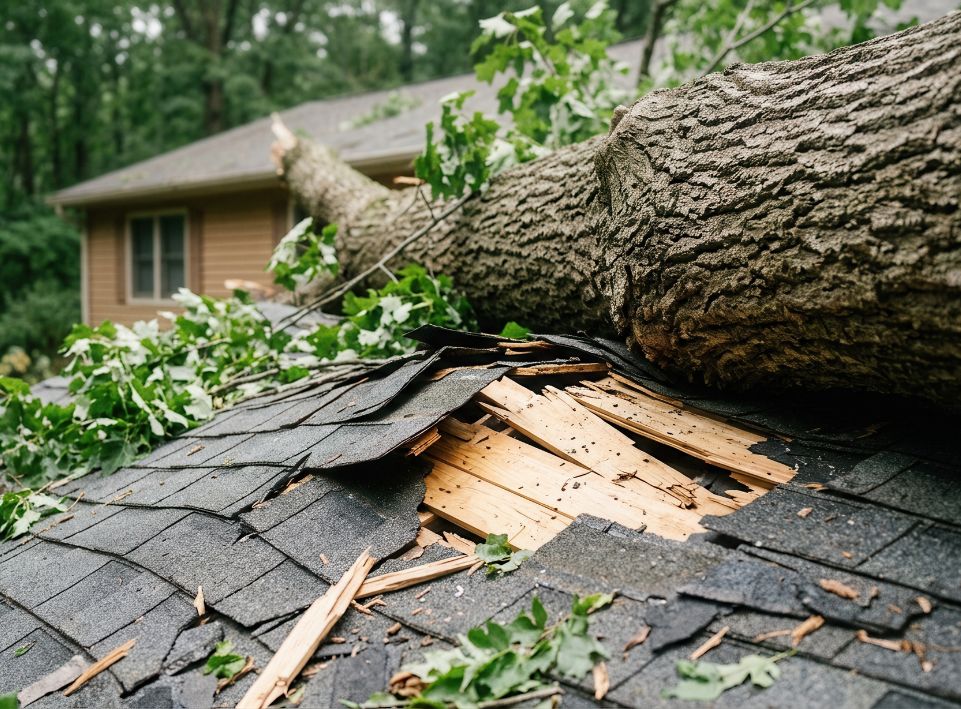
South Carolina’s coastal location means that commercial properties in and around Charleston face real exposure to tropical storms, high winds, heavy rainfall, and hurricane activity. After any significant weather event, a post-storm roof inspection is strongly recommended.
Storm-related damage to look for includes:
- Loose, lifted, or displaced roofing membrane sections
- Debris impact damage, such as punctures or tears
- Damaged or displaced flashing
- Blocked drains or drainage systems
- Visible dents, dings, or damage to metal roof components
- Signs of wind uplift at roof edges and corners
Even if your roof appears intact from the ground after a storm, there may be hidden damage that only a trained eye can identify. Scheduling a professional inspection after significant weather events is a smart and proactive step.
Choosing a Commercial Roofing Service in Charleston, SC
Not all roofing contractors have the same level of experience with commercial roofing systems. When choosing a partner for inspection, repair, or maintenance work, here’s what to look for:
Commercial roofing experience: Look for a contractor with a proven track record specifically in commercial roofing — including membrane systems, flat roofs, and commercial flashing details.
Proper licensing and insurance: Any contractor you hire should carry the appropriate licensing for South Carolina, along with general liability and workers’ compensation insurance.
Strong local references: A reputable company with local expertise should be able to provide references from other local property owners and businesses.
Transparent communication: From the initial inspection through project completion, you should feel confident that your contractor is communicating clearly and explaining your options honestly.
After a thorough inspection, you’ll want to understand what was found — our guide on how to read & understand your roof inspection report can help you make sense of the findings.
Our team at Pioneer Roofing has extensive experience with commercial roofing services, and we’re proud to serve businesses throughout the Lowcountry.
When to Schedule Professional Commercial Roof Inspections
Most roofing professionals recommend scheduling inspections at least twice per year — once in the spring and once in the fall. Additionally, an inspection is always a good idea following:
- Any major storm or severe weather event
- Significant HVAC or mechanical work performed on the roof
- An unusual increase in utility costs
- Any interior signs of moisture or water intrusion
- The purchase or transfer of a commercial property
If your commercial property in the Charleston area is due for an inspection, don’t wait. The earlier you address roofing issues, the more options you have and the less it typically costs.
Frequently Asked Questions
Common warning signs include water stains, leaks, ponding water, damaged flashing, membrane deterioration, and rising energy costs.
Most commercial roofs should be professionally inspected at least twice per year and after significant weather events.
Minor leaks, flashing damage, and drainage issues can quickly become costly repairs if left untreated.
Common causes include severe weather, ponding water, UV exposure, aging roofing materials, poor drainage, and lack of maintenance.
Standing water can accelerate roof deterioration, increase leak risks, and contribute to structural concerns.
Damaged roofing systems may allow air leakage and moisture intrusion, increasing heating and cooling costs.
Look for experience with commercial roofing systems, proper licensing and insurance, strong local references, and a reputation for quality workmanship.
You should contact a professional when you notice leaks, visible roof damage, drainage issues, or signs of roof deterioration.
Routine inspections and preventative maintenance can help identify issues early and extend the lifespan of a commercial roofing system.
Ready to schedule a roof inspection? Request a free estimate from the Pioneer Roofing team today.
From leak repairs to full replacements, we deliver the right solution to cover all your local roofing needs.